Rodent Control
Technicians document every station and opening so the same approach can be repeated on follow-up visits if needed. Work stays limited to areas that show activity.
Pest Control · North Dakota
Fenn Pest Control handles pest control work across North Dakota.
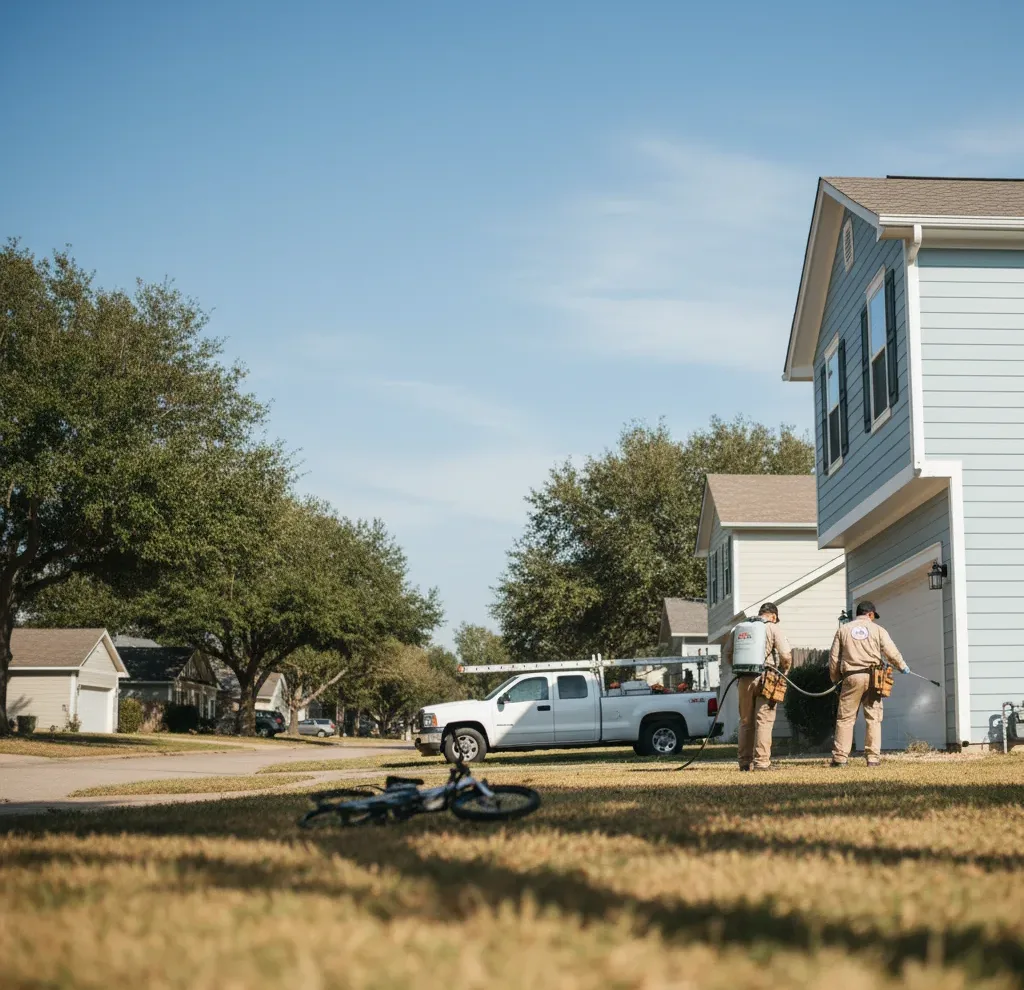
Work is completed only by technicians holding the credentials required for the work performed in North Dakota.
Every job follows the local permit and building code rules that apply where the service takes place.
Recommendations include steps that reduce the chance of future activity after the initial visit.
Services
Technicians document every station and opening so the same approach can be repeated on follow-up visits if needed. Work stays limited to areas that show activity.
Technicians begin with a structured visual and probing inspection rather than assuming activity is present. Findings determine whether treatment is needed and which method fits the construction details.
Crews map every room before choosing tools, then return to confirm results. The same licensed technicians handle both the first visit and any follow-up work required. This approach mirrors the care taken during spider control visits.
Technicians record trail direction and moisture conditions before any material is placed. This reduces the amount of product used and limits unnecessary applications in unaffected areas during pest control.
Technicians map activity first, then place materials only in locations where cockroaches are traveling or sheltering. Records from each visit guide any later work so effort remains focused on remaining activity.
Technicians document activity locations and contributing conditions so treatment matches the actual layout and usage of the building. Records from prior visits guide later adjustments when needed.
Fenn Pest Control records findings at each property so subsequent visits build on earlier observations. Treatments are selected to match the specific breeding locations identified rather than a single method applied everywhere.
Fenn Pest Control selects products and placement based on moisture readings and the materials present rather than applying a standard formula to every property. The same team returns for follow-up checks so that any adjustments reflect actual results.
Fenn Pest Control focuses on locating the nest, treating the colony at its source, and removing the structure where access allows. The crew works under the licensing that applies in each part of North Dakota and keeps the property owner informed at every stage.
Homeowners in North Dakota often notice small clues before any obvious activity appears. Droppings near baseboards, faint trails along walls, or damage to stored items can point to several common species addressed by rodent control. A technician starts with a full walk-through of the interior and exterior, checking entry points, moisture sources, and areas where food or water may be available. The inspection identifies which pests are present and whether the issue is limited or widespread. Once the findings are clear, a treatment plan is prepared that targets the specific conditions found rather than applying a single method to every situation. Follow-up visits adjust the approach if activity continues in any part of the property.
Many properties in North Dakota share features that support pest activity. Gaps around utility lines, unsealed foundation cracks, and overgrown vegetation touching the structure create easy access. Standing water from poor drainage or clogged gutters supplies the moisture many species need. Inside, clutter in basements or attics and crumbs left in kitchens provide food sources. Residents can check these areas themselves by looking for consistent trails, listening for scratching sounds at night, or noting any new odors. A professional inspection confirms whether the signs point to a current colony or to conditions that will attract pests later.
Why us
The same standard of work in every town we cover
We handle pest control for homes and businesses throughout North Dakota. Every job starts with an on-site evaluation to spot the issue. The same technician who does that evaluation also carries out the treatment.
A single technician completes both the inspection and the treatment on every job.
Written details of the work and cost are provided before any treatment begins.
Common treatment supplies stay stocked for use on jobs across the state.
Findings and next steps are explained on site before any work proceeds.
Our process
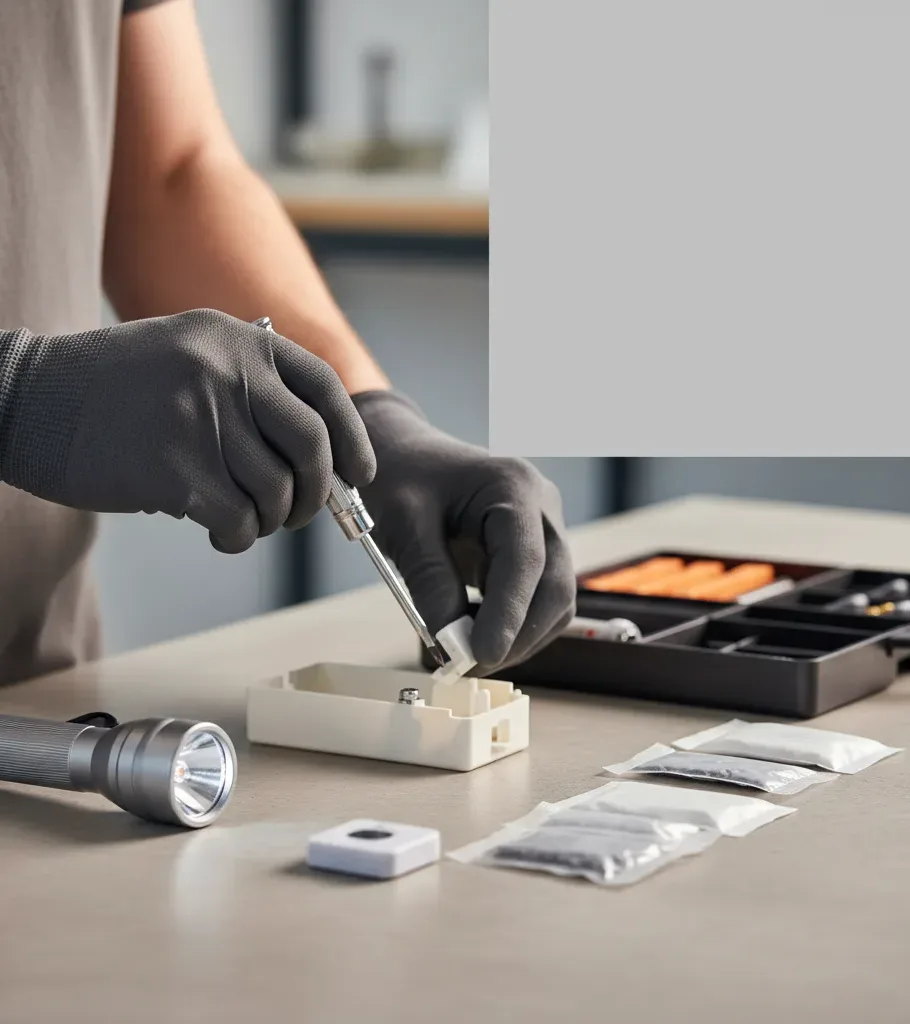
The call begins with questions about observed activity. An inspection follows, then a plan is presented and carried out. A written summary is provided at the end.
The process starts with a detailed discussion of what the resident has observed. The technician then examines both the inside and outside of the building, paying attention to construction details, landscaping, and any recent changes such as new additions or repairs. Findings are explained on site so the property owner understands which areas require attention. Treatment may combine baits, targeted sprays, or exclusion materials depending on the species and whether termite inspection and treatment applies. After the work is finished, the technician reviews any steps the resident can take to limit future activity. Documentation of the visit is left for the owner’s records.
A single visit addresses the activity present at that moment. It works well when the problem is recent and limited to one area. Recurring service is chosen when properties have features that repeatedly draw pests such as those requiring bed bug extermination. The schedule for return visits is set according to the conditions found rather than a fixed calendar. Each visit includes a fresh inspection so adjustments can be made if the situation changes.
Fenn Pest Control handles pest management for homeowners and businesses all over North Dakota. Our technicians deal with different pest problems in both rural and urban areas. Cold winters and farming areas shape the issues that come up, so we choose methods that fit the region.
We look for the source of each issue and use targeted treatments to keep disruption low. Every visit includes an explanation of what we found and next steps, and we go over costs before starting any work. That way property owners know what’s coming.
We stick to the same training and procedures everywhere in North Dakota. Quality stays the same from one place to the next. Technicians bring gear that works for local buildings and the pests active that season, so they can get to work right away.
We try to reach properties quickly based on the schedule. We don’t promise exact times but fit jobs around current demand and who’s available.
North Dakota’s weather and land lead to pest patterns our crews see often. We pick products and methods that match while staying safe around homes and businesses. If there’s a question about a property, we explain the choices plainly so owners can decide.
Working across the state gives us experience from all kinds of properties, but we still handle each request on its own terms.

Pricing
The final amount depends on the size of the property, the type of pest, the number of visits required, and any extra work such as sealing entry points. The figures below are starting points only.
General pest control — starting at $180 Rodent control — starting at $250 Ant treatment — starting at $160 Wasp or hornet removal — starting at $140 Bed bug inspection — starting at $350 Bed bug treatment — $800-$1200 Termite inspection — starting at $200 Termite treatment — $1500-$2500 Recurring quarterly service — starting at $140 per visit Exclusion or sealing work — $300-$600
Rental homes and multi-unit buildings in North Dakota often require coordination between owners and occupants. The same inspection process applies, but treatment plans must account for shared walls and common areas. Commercial locations add considerations such as food handling areas, loading docks, and employee break rooms. Technicians note which products are approved for use around inventory or customer spaces. In both cases, records are kept so that any future questions from property managers or health inspectors can be answered with the details of prior visits.
Clear access to the areas where activity has been noticed helps the inspection move quickly. Moving stored boxes away from walls and wiping down counters removes temporary obstructions. Residents can also note the times of day when signs are most noticeable and whether any pets or children will be present. These details let the technician plan the safest and most effective approach. After the visit, any specific instructions about re-entry times or additional monitoring are provided in writing so there is no confusion about next steps.
FAQ

Removing food sources and clearing clutter reduces available shelter and can slow activity. However, locating the actual entry points and confirming the species usually requires tools and experience that are not part of a standard household routine.
A technician walks the full interior and checks adjacent spaces that share walls or utility lines. Evidence such as droppings or rub marks often appears beyond the original report. Mapping these points shows whether the issue is contained or has spread.
Larger structures, difficult access points, and the need for multiple product types all affect the total. The inspection identifies these factors before any work begins so the owner can decide how much to address at once.
Nearby
Coverage
Pest Control across North Dakota. Call (833) 602-3525.
Call (833) 602-3525